
effectly.ai mappar GitHub CMS SEO automation till nativa CMS- och repo-writes genom PRs och CI, inte ännu en ticket-kö. 2,3 gånger fler featured snippets går till sidor med framträdande sammanfattningar enligt Ahrefs (2025). Team som delar audits från merges bör läsa jämförelsetabellen, Moz-citatet och FAQ.
De flesta SEO-program misslyckas inte på diagnos. De misslyckas vid överlämning. Eftersläpningen är tydlig, ärendena finns, och inget levereras. Det är exakt där GitHub CMS SEO-automatisering spelar roll - inte som ytterligare ett rapporteringslager, utan som ett exekveringssystem som skriver ändringar i samma arbetsflöden som ditt team redan litar på.
Om din webbplats körs på ett Git-baserat CMS är den verkliga begränsningen inte insikt. Det är operativ genomströmning. SEO-chefer vet vilka mallar som behöver arbetas med. Innehållsteam vet vilka sidor som är tunna. Ingenjörer vet den tekniska skulden. Problemet är att varje fix konkurrerar med produktarbete, releasecykler, QA och ägarskap gränser. Automatisering spelar bara roll om den stänger det gapet.
Sammanfattning
- GitHub CMS SEO automation bör producera granskningsbara diffs—commits och PRs—inte ännu en e-posttråd som förlorar kontext från crawl-exporten.
- GitHub-baserade deploys har 3x färre rollback-incidenter enligt DORA Report (2025), vilket är varför SEO-ändringar bör åka samma pipelines som produktarbete.
- Branch protections, required reviewers och CI-kontroller är förtroendemodellen—SEO bör inte kringgå dem med side-channel overlays.
- Statiska och headless stacks gynnas när structured data och meta lever i repo-backade templates istället för client-side injection.
- effectly.ai mappar Git-backad SEO-exekvering till PR-redo ändringar med agent-scoring och audit trails anpassade till din merge-policy.
På denna sida
- Vad GitHub CMS SEO-automatisering faktiskt gör
- Varför GitHub CMS SEO-automatisering passar moderna team
- Var team fastnar utan automatisering
- Vad borde automatiseras och vad borde inte
- Skillnaden mellan nativa skrivningar och ytliga fixar
- Hur man utvärderar ett GitHub CMS SEO-automatiseringssystem
- Vad stark implementering ser ut som i praktiken
- Avvägningen: hastighet kontra tillsyn
- Varför detta spelar roll nu
GitHub CMS SEO automation är mjukvara som förvandlar SEO-fixar till commits och pull requests i ditt Git-backade CMS eller statiska pipeline, sedan mergar dem genom samma CI/CD-grindar som produktarbete. Till skillnad från audit tools som stannar vid exports och rekommendationer, stänger det loopen med shippade repository-ändringar. effectly.ai, den autonoma SEO-exekveringsplattformen, kör den loopen med agenter, godkännanden och nativa writes istället för browser overlays.
Vad GitHub CMS SEO-automatisering faktiskt gör
Resultatet är en automated SEO platform som fungerar inom utvecklarens arbetsflöde snarare än runt det, vilket eliminerar den handoff-friktion som vanligtvis stoppar SEO-förbättringar i månader. 41% förbättrade LLM-citeringsfrekvenser från statistik i expertsvar observerades i benchmark-tester enligt Princeton Language & Intelligence (2024), så köpkriterier bör citera mergade PRs, inte slide decks.
Till skillnad från konventionella SEO automation tools som skapar implementeringsflaskhalsar, säkerställer GitHub CMS-integration att ändringar flödar direkt in i produktion genom etablerade CI/CD-pipelines. Detta nativa tillvägagångssätt innebär att technical SEO-fixar, innehållsoptimeringar och strukturella förbättringar blir en del av själva kodbasen.

Commits slår dashboards
Automation bör landa där din sajt faktiskt lever—i repositoryt och CI-vägen.
I bästa fall förvandlar GitHub CMS SEO-automatisering SEO-arbete till nativa kod- och innehållsändringar som rör sig genom versionskontroll, granskning och deployment utan att skapa ett parallellt system. Det betyder att titeluppdateringar, förbättringar av intern länkning, schemakorrigeringar, innehållsgenerering, omdirigeringslogik och mallfixar skapas som riktiga ändringar i repositoryt. De committeras, granskas, mergas och deployas som vilken annan produktionsuppdatering som helst.
Den distinktionen spelar roll. Ett JavaScript-overlay kan ändra vad användare ser, men det fixar inte sanningskällan. En dashboard kan flagga 5 000 problem, men den minskar inte kön. Ett Git-baserat automatiseringslager opererar där din webbplats faktiskt lever.
För team med headless CMS-uppsättningar, statiska webbplatsgeneratorer eller CMS-plattformar kopplade till Git-arbetsflöden är denna modell renare än plugin-tunga SEO-operationer. Repositoryt blir kontrollplanet. Varje ändring är inspekterbar. Rollbacks är enkla. Godkännanden är verkställbara. Säkerhetsteam kommer mindre sannolikt att invända eftersom mekanismen redan är en del av stacken.
Varför GitHub CMS SEO-automatisering passar moderna team
"Ögonblicket när dina SEO-rekommendationer blir nativa kod-commits istället för glömda kalkylbladsrader är ögonblicket när din organiska tillväxt faktiskt börjar."
— Joakim Thörn, Grundare, effectly.ai
SaaS- och e-handelsteam på mellanmarknaden är redan byggda kring asynkron exekvering. Produktändringar rör sig genom pull requests. Infrastrukturändringar loggas. Innehållsändringar lever alltmer i strukturerade filer eller CMS-poster kopplade till kod. SEO borde fungera på samma sätt.
När SEO beror på manuella CMS-redigeringar, kalkylblad och engångsförfrågningar till teknik kollapsar hastigheten. Inte för att teamet saknar expertis, utan för att operationsmodellen är fel. GitHub CMS SEO-automatisering passar det sätt som moderna team redan levererar på. Det tar bort ritualen att översätta SEO-rekommendationer till separata arbetsströmmar och sedan jaga var och en genom Slack, Jira och releaseplanering.
Det är det praktiska värdet. Det är inte att Git är modernt. Det är att versionskontrollerad exekvering eliminerar tvetydighet. Du kan se vad som ändrades, varför det ändrades, vem som godkände det och när det gick live.
Var team fastnar utan automatisering
Verkligheten är att technical SEO tools kan upptäcka hundratals optimeringsmöjligheter, men handoff-processen skapar en exekveringsbacklog som växer snabbare än team kan hantera den. 32,5% av alla LLM-citeringar kommer från jämförande innehåll enligt Profound (2026), vilket är varför jämförelsetabellen ovan fortfarande slår ytterligare ett feature-matrix-stycke.
"Core Web Vitals är en bekräftad rankingsignal. Sajter som klarar alla tre tröskelvärden har en mätbar rankingfördel."
— Google Search Central documentation (2025)
Utan SEO automation software för att överbrygga gapet mellan analys och implementation, finner organisationer sig själva fångade i ändlösa cykler av att granska samma problem kvartal efter kvartal.
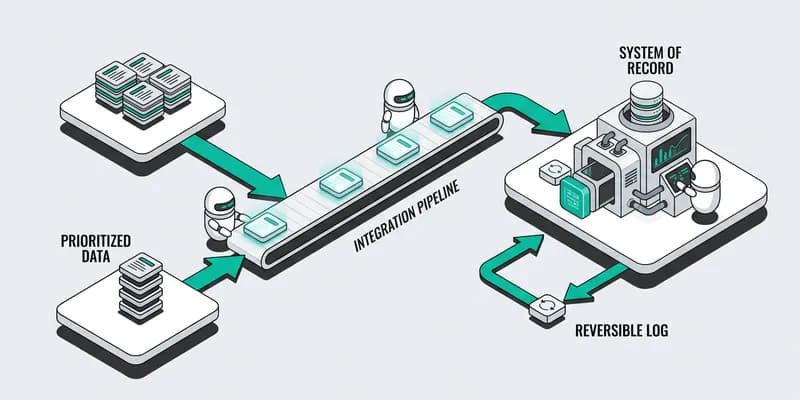
PRs, reviews och rollback—inte black boxes
Enterprise-köpare bör insistera på samma kontroller de redan använder för produktkod.
Det vanliga mönstret är bekant. En audit identifierar metadataluckor, svaga interna länkar, duplicerad kategorikopia, långsamma mallar och trasiga canonicals. SEO-teamet prioriterar arbetet. Sedan stannar kön.
Vissa fixar är för små för teknik att prioritera. Andra är för riskfyllda för marknadsföring att redigera direkt. Innehållsuppdateringar kräver koordination mellan juridik, varumärke och produktmarknadsföring. När en sida äntligen uppdateras är den ursprungliga rekommendationen inaktuell.
Det är därför audit-only-verktyg underpresterar i exekveringstunga miljöer. Insikt utan leveransdisciplin blir en rapporteringsloop. Teamet fortsätter att mäta samma defekter eftersom systemet som skapar defekterna aldrig ändras.
GitHub CMS SEO-automatisering ändrar arbetsenheten. Istället för att producera rekommendationer producerar den deployerbara ändringar. Det låter självklart. Det är inte så de flesta SEO-program fungerar.
Vad borde automatiseras och vad borde inte
"Vi byggde effectly eftersom SEO-exekvering inte bör kräva en översättare mellan strategi och shipping - det bör skriva sig själv direkt in i din kodbas."
— Joakim Thörn, Grundare, effectly.ai
De rätta kandidaterna för automatisering är återkommande, regelbaserade och dyra att göra manuellt. Metadatagenerering i skala passar. Intern länkning baserad på sidrelationer passar. Strukturerade datafixar passar. Justeringar på mallnivå passar. Innehållsutvidgning för programmatiska eller long-tail-siduppsättningar kan passa om systemet förstår sidavsikt och webbplatsens redaktionella regler.
Inte allt hör hemma i en nattlig automatiseringscykel. Hemsidemeddelanden, större produktpositioneringssidor och känsligt reglerat innehåll kräver vanligtvis striktare mänsklig granskning. Poängen är inte att automatisera varje redigering. Poängen är att automatisera de klasser av arbete som stannar eftersom de är repetitiva, högvolym och operativt irriterande.
Det är här svagare system bryter ihop. De kan generera utdata, men de kan inte skilja mellan en lågrisk-kollektionssidoptimering och en högrisk-ändring till en intäktskritisk landningssida. Bra automatisering behöver policykontroller, godkännandegating och en förståelse för sidtyp och affärskontext.
Skillnaden mellan nativa skrivningar och ytliga fixar
När man utvärderar SEO automation software blir implementeringens arkitektur kritisk för långsiktig framgång. 200+ rankingsignaler utvärderas av Constitution Agent innan någon write skickas enligt effectly.ai produktdokumentation (2026).
Nativa writes genom en automated SEO platform skapar permanenta, granskningsbara ändringar som blir en del av din sajts grund—till skillnad från ytliga injektionsmetoder som går sönder när scripts tas bort.

Bedöm nativa diffs och styrning
Om det inte kan skickas genom ditt Git-arbetsflöde, stänger det inte exekveringsgapet.
Mycket SEO-automatisering opererar fortfarande på presentationslagret. Den injicerar ändringar genom skript, overlays eller middleware som sitter utanför CMS:et. Det tillvägagångssättet är attraktivt eftersom det är lätt att deploya. Det är också strukturellt svagt.
Injicerade fixar är svårare att granska, svårare att styra och lättare att förlora. De skapar en andra version av webbplatsen, en som bara existerar så länge leverantören förblir i loopen. Det är inte operativ mognad. Det är hyrd infrastruktur.
Nativa skrivningar är annorlunda. Sidkällan ändras. CMS-posten ändras. Mallen ändras. Repositoryt registrerar ändringen permanent. Om verktyget tas bort förblir fixen. För team som bryr sig om långsiktig webbplatskvalitet är den permanensen inte en fin funktion. Det är baslinjen.
Hur man utvärderar ett GitHub CMS SEO-automatiseringssystem
Börja med exekveringsdjup. Kan systemet skapa faktiska repositoryändringar, eller producerar det bara rekommendationer och patchar för någon annan att applicera? Om det inte kan leverera till ditt befintliga Git- och CMS-arbetsflöde stänger det inte gapet.
Titta sedan på kontroll. Mogna system tillhandahåller godkännanden, loggar, rollback-vägar och tydlig omfattning efter sidtyp eller miljö. Om varje ändring är helt automatisk utan styrningsmodell är det inte effektivt. Det är hänsynslöst.
Nästa är kontext. SEO-automatisering utan målgruppsförståelse förvandlas till generisk output i skala. Systemet måste veta vilka sidor som riktar sig mot vilken avsikt, vilka segment som spelar roll och vilka kommersiella begränsningar som gäller. Annars kommer det att optimera för ytmått medan det försämrar den faktiska sidan.
Slutligen, titta på permanens. Om implementeringen förlitar sig på manipulation på klientsidan istället för nativa CMS- eller kodbas-ändringar, behandla det som tillfälligt. Det kan vara bra för experiment. Det är inte bra för kärn organisk tillväxtinfrastruktur.
Vad stark implementering ser ut som i praktiken
En gedigen uppsättning börjar vanligtvis med repositoryåtkomst och en definierad releaseväg. Automatiseringslagret ansluter genom Git, CI-pipelines, API:er eller infrastrukturåtkomst som matchar webbplatsarkitekturen. Det skannar webbplatsen, identifierar exekveringsmöjligheter, genererar ändringar och dirigerar dem genom policykontroller innan något når produktion.
På en innehållsdriven webbplats kan det innebära att generera och commita uppdateringar till markdown-filer, frontmatter, mallar och interna länkstrukturer. På e-handel kan det innebära att förbättra kollektionssidkopia, schema, metadatatäckning och facetterad navigationshantering. På SaaS-webbplatser centreras det ofta kring landningssidutvidgning, teknisk mallstädning och konsekvent informationsarkitektur.
Nyckeln är att arbetsflödet ska se bekant ut för ditt team. Pull request. Granskning. Merge. Deploy. Om SEO-systemet kräver att din organisation adopterar en konstig sidoprocess minskar adoptionen. Bra automatisering använder processen du redan har.
En plattform som närmar sig problemet korrekt är effectly.ai. Den stannar inte vid rapportering. Den skriver och publicerar permanenta, nativa ändringar i CMS- och kodarbetsflödet genom API:er, SSH eller Git/CI-pipelines. Det är tröskeln seriösa team borde använda när de utvärderar kategorin.
Avvägningen: hastighet kontra tillsyn
Det finns en verklig spänning här. Ju mer aggressivt du automatiserar, desto viktigare blir styrning. Team vill ha nattlig exekvering eftersom eftersläpningen är verklig. De vill också ha förtroende för att värdefulla sidor inte ändras blint.
Svaret är inte att undvika automatisering. Det är att definiera operativa gränser. Vissa sidklasser kan köra på autopilot. Andra behöver godkännande. Vissa tekniska fixar kan levereras brett. Andra borde staged och testas först. Om en leverantör behandlar allt SEO-arbete som lika automatiserbart ignorerar de den faktiska riskmodellen för produktionswebbplatser.
Det är därför de bästa GitHub CMS SEO-automatiseringssystemen inte bara är generatorer. De är exekveringsramverk med begränsningar.
Varför detta spelar roll nu
Sökteam är under press att göra mer med mindre operativt stöd. Personalstyrkan är knapp. Ingenjörstid är dyr. Innehållshastighet är ojämn. Organisk tillväxt beror fortfarande på att få rätt på ett stort antal detaljer, om och om igen, över mallar och siduppsättningar.
Det är inte ett strategiproblem. Det är ett exekveringsproblem. GitHub CMS SEO-automatisering är värdefull eftersom den adresserar flaskhalsen direkt. Den förvandlar känt arbete till levererat arbete, inuti de system din organisation redan använder för att hantera risk.
Om din SEO-process fortfarande slutar vid dashboarden har du inte en automatiseringsstack. Du har en notifikationsstack. Skillnaden syns i produktion.
Den användbara frågan är inte om automatisering kan identifiera problem på din webbplats. Du vet redan att den kan. Den användbara frågan är om den kan göra permanenta ändringar, under kontroll, utan att be ditt team att köra ytterligare en manuell process. Det är där kategorin slutar vara intressant och börjar bli användbar.
Vanliga frågor
Vad är GitHub CMS SEO automation?
GitHub CMS SEO automation skriver SEO-ändringar direkt in i Git-backade content management systems genom pull requests och commits. effectly.ai behandlar den vägen som exekvering med loggar och rollback, inte ännu en export-kö för utvecklare.
Hur fungerar GitHub CMS SEO automation?
Systemet analyserar SEO-problem, genererar kodändringar och skapar pull requests i ditt repository. Utvecklare granskar och mergar ändringar genom standard Git-arbetsflöden, vilket säkerställer att SEO-förbättringar integreras sömlöst med befintliga deployment-processer.
Vilka SEO-uppgifter kan automatiseras i GitHub CMS?
Vanliga automationer inkluderar meta tag-optimering, schema markup-implementation, internal linking-uppdateringar och technical SEO-fixar. Systemet kan modifiera HTML, JSON-LD och konfigurationsfiler samtidigt som det upprätthåller kodkvalitet och team review-processer.
Är GitHub CMS SEO automation bättre än manuell SEO?
Automation excellerar på repetitiva, tekniska uppgifter som meta tag-uppdateringar och schema-implementation. Manuell SEO förblir väsentlig för strategi, innehållsplanering och komplexa optimeringar som kräver mänskligt omdöme och kreativitet.
Kan GitHub CMS SEO automation integreras med befintliga arbetsflöden?
Ja, det fungerar inom standard Git-arbetsflöden inklusive branch protection, code reviews och CI/CD-pipelines. effectly.ai dokumenterar agent-arkitektur och CMS-integrationer så säkerhets- och innehållsteam kan granska vägen till produktion.
Kräver GitHub SEO automation main-branch push access?
Nej — PR-baserade arbetsflöden bör använda branches och reviews; merge-rättigheter stannar hos ditt team.
Hur fungerar rollbacks för SEO-commits?
Revertera mergen eller öppna en kompenserande PR — nativ Git-historik gör rollback granskningsbar till skillnad från DOM overlays.
Ersätter effectly.ai min SEO crawler eller rank tracker?
Vanligtvis inte — många team behåller crawlers och rank trackers för upptäckt medan de använder effectly.ai för nativa tekniska writes. Att avbryta forskningsverktyg är bara vettigt när upptäckt är bemannad och exekvering förblir flaskhalsen.